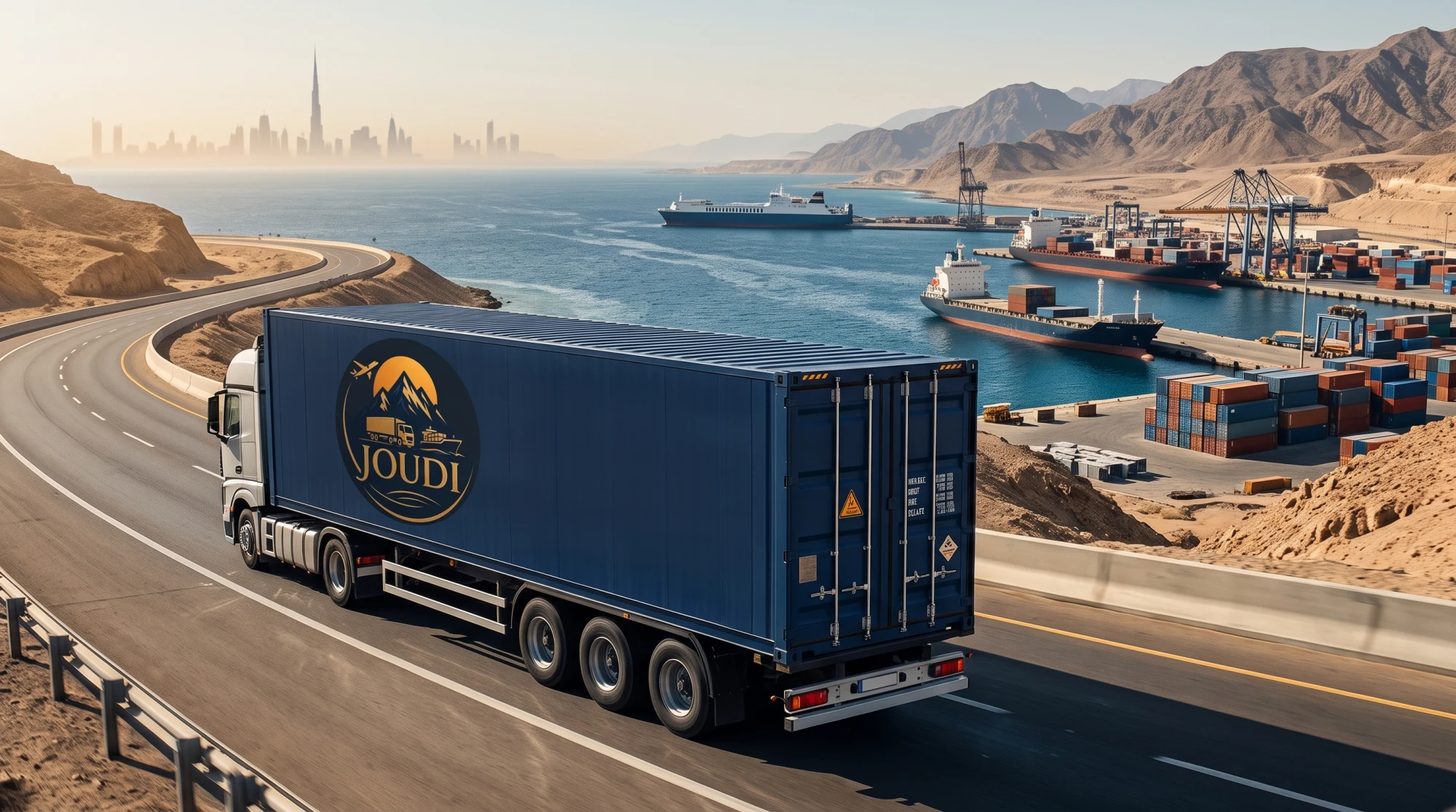
Shipping a full truck from Dubai to Upper Egypt via Safaga offers a highly efficient and cost-effective solution for businesses in the UAE looking to transport goods, especially large volumes, heavy machinery, or time-sensitive cargo, directly to destinations like Luxor, Aswan, or Assiut. This route combines reliable road freight through Saudi Arabia with a seamless ferry crossing to Safaga Port, significantly reducing transit times compared to traditional sea freight routes that often involve transshipment.
Who Benefits Most from the Dubai to Upper Egypt Safaga Truck Route?
The direct land and sea combined route from the UAE to Upper Egypt via Safaga is particularly advantageous for several types of businesses and industries:
- Factories and Manufacturers: UAE-based factories exporting finished goods, raw materials, or components to manufacturing plants or distributors in Upper Egypt can significantly reduce lead times. This is crucial for maintaining production schedules and supply chain efficiency.
- Heavy Machinery Importers/Exporters: Companies dealing with heavy equipment, construction machinery, or industrial components often face challenges with traditional shipping methods. Our low-bed trailers are specifically designed for oversized and heavy cargo, ensuring safe and direct delivery to sites in Upper Egypt.
- Importers and Suppliers: Businesses importing goods from the UAE to supply markets in Upper Egypt benefit from the reduced transit time and direct delivery, helping them keep shelves stocked and meet consumer demand more quickly than conventional sea routes.
- Perishable Goods Shippers: While not exclusively for perishables, the quicker transit time can be beneficial for certain non-food items that require faster delivery to maintain quality or market relevance.
- Businesses Seeking Cost-Effectiveness for Large Volumes: When shipping a full truckload (FCL), this route can be more economical than air freight and faster than pure sea freight, offering a balanced solution for budget and speed.
Understanding the Route and Its Advantages
The journey for a full truck from Dubai to Upper Egypt via Safaga involves a strategic combination of land and sea freight:
- UAE Road Freight: The cargo is loaded onto a full truck or container in Dubai, Sharjah, or Abu Dhabi and transported by road through Saudi Arabia.
- Duba-Safaga Ferry: The truck then boards a dedicated ferry from Duba Port in Saudi Arabia to Safaga Port in Egypt. This is a crucial leg that bypasses the longer sea routes around the Arabian Peninsula.
- Egyptian Road Freight: Upon arrival at Safaga, the truck clears customs and continues its journey by road directly to its final destination in Upper Egypt, whether it's Luxor, Aswan, Assiut, or other cities.
This integrated approach minimizes handling, reduces the risk of damage, and provides a streamlined logistics chain, making it an excellent choice for businesses prioritizing efficiency and direct delivery.
Key Documents Required for Shipping from UAE to Egypt via Safaga
Navigating international shipping requires meticulous documentation. For a full truck from Dubai to Upper Egypt via Safaga, you'll typically need the following:
- Commercial Invoice: Details the goods, their value, and the terms of sale. Essential for customs valuation.
- Packing List: Provides a detailed list of all items in the shipment, including quantities, weights, and dimensions.
- Bill of Lading (B/L) or Waybill: The contract between the shipper and the carrier, acting as a receipt for the goods and a document of title.
- Certificate of Origin: Verifies the country where the goods were produced, often required for customs duties and trade agreements.
- Export Declaration (UAE Customs): Required for clearing goods for export from the UAE.
- Importer's Registration Card/Tax Card (Egypt): Essential for the consignee to clear goods through Egyptian customs.
- Importer Tax ID (Egypt): For customs clearance and tax purposes in Egypt.
- CargoX and ACID Registration (Egypt): Crucial for imports into Egypt. The Egyptian Advance Cargo Information (ACID) system requires shippers to register on CargoX and submit cargo data at least 48 hours before shipment.
- Additional Licenses/Permits: Depending on the nature of the goods (e.g., food, pharmaceuticals, specific industrial equipment), additional import licenses or permits from relevant Egyptian authorities may be required.
- Insurance Certificate: While not always mandatory, it's highly recommended to protect your cargo against loss or damage during transit.
It's important to note that specific requirements can vary based on the type of goods, their value, and prevailing regulations. Always consult with your shipping provider to ensure all necessary documentation is prepared correctly and submitted on time.
Navigating Egypt's ACID and CargoX Requirements
For any shipment entering Egypt, including those via Safaga, adherence to the Advance Cargo Information Declaration (ACID) system and the CargoX platform is paramount. This system was implemented to streamline customs procedures and enhance security. Joudi Cargo provides comprehensive guidance on these steps, ensuring your shipment complies with all Egyptian import regulations:
- ACID Number: Before shipping, the Egyptian importer must register and obtain an ACID number for the shipment. This unique 19-digit number must be included on all shipping documents.
- CargoX Platform: All shipping documents, including the commercial invoice, packing list, and bill of lading, must be uploaded by the exporter onto the CargoX platform, linked to the ACID number. This needs to be done at least 48 hours before the vessel departs from the port of loading (Duba, in this case).
Failure to comply with ACID and CargoX requirements can lead to significant delays, penalties, or even the rejection of your shipment at the port of entry. Our team is well-versed in these procedures and can assist you every step of the way.
For precise pricing in AED and tailored solutions for your full truckload from Dubai to Upper Egypt via Safaga, or for any questions regarding documentation and Egyptian customs procedures, please contact Joudi Cargo today. We specialize in land container shipping to Safaga and ensure a smooth, efficient process for factories, importers, and suppliers.